

Sidewalk Kitchens Carry a City
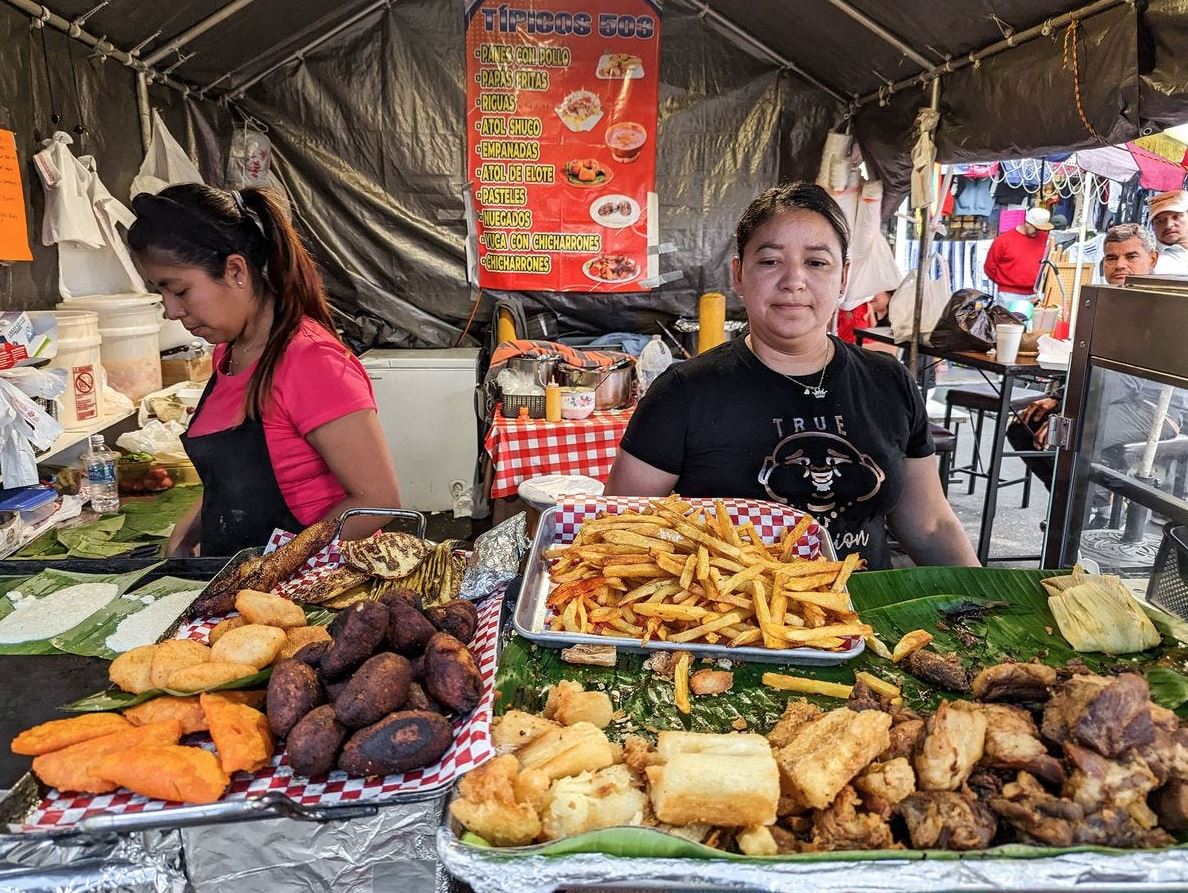
Everyday sellers turn corners into dining rooms and chatter into community
Morning Carts And The First Warm Bite
At first light the city stirs, and small carts roll from garages and courtyards with pots that hold the memory of last night’s simmer. Steam fogs plastic lids, kettles chirp, and the first hungry workers drift toward the sound of ladles tapping enamel. A cup of porridge steadies the hands, a stuffed bun fills the quiet space between thoughts, and a sugared pastry sweeps sleep from the eyes. These early sellers set the tone for the day because they pair speed with softness. They know every commuter by face long before names arrive, and they learn how much spice or sweetness will move each person from drowsy to ready.
Why A Small Stand Feels Like A Landmark
A simple table and a folding chair can anchor a block as surely as a tower, because repetition writes a map into the body. You turn at the scent of star anise, you pause when you hear onions kiss a flat top, and without thinking you walk the same path that brought comfort last week. Local vendors thrive on that rhythm. They park in the same shadow, they hang the same string of lights, and they greet passersby with the same quick nod that says both welcome and I remember you. Over time the stand becomes a meeting point that friends use as a compass when the crowd grows loud.
Tools That Fit In A Crate
Street cooking favors gear that can travel, so the best kits look like puzzle boxes that unfold into full kitchens. A single burner does the work of many when the cook manages heat with instinct and attention. Pans nest together, lids double as trays, clamps hold signs, and a short stack of bowls becomes a tower once the line stretches. The craft lies in reducing clutter without losing capability. When a rush hits, each tool sits exactly where the hand expects, and the dance looks like calm even when tickets pile up.
Menus That Speak In Short Sentences
A long list confuses a hungry walker, so neighborhood sellers favor clarity. Three or four items often carry a full story, and specials arrive only when the market smiles on a new ingredient. Prices stay legible from a few steps away, and descriptions focus on texture and brightness rather than mystery. A single clear promise builds trust. If the sign says crispy fish with lime and herbs, the first bite needs to crack, then bloom, then rest gently. When the promise holds, a stranger becomes a regular before the next trash truck rattles the curb.
Seasonal Wisdom At Work
Local vendors read the weather better than any forecast. A gray afternoon invites soups that cling to noodles and cheeks, while a bright noon calls for pickles and citrus. Rain means hot drinks near the umbrella spines, cold snaps mean hand pies that travel in coat pockets, and warm nights mean skewers that glow like small torches. This instinct for timing keeps waste low and quality high, and it teaches shoppers to trust the stall even before they see the options for the day.
Supply Chains With First Names
The best stands buy close to home. A baker a few blocks away drops off rolls while the oil warms. A grower from the outer neighborhoods sends greens that still smell like their field. A small fish shop holds a tray behind the counter because they know the vendor will arrive before noon. These ties turn commerce into conversation. When shortages hit, substitutions appear with notes that explain the change, and the customers nod because the relationship already holds weight.
Clean Habits You Can See
Trust begins with visible care. A bucket of soapy water stands within reach, gloves fit well without looking loose, and raw and ready ingredients live apart like polite neighbors. Tongs get their own resting place, towels stay fresh, and a small spray bottle waits to soothe flare ups. Labels for allergens sit beside prices, not under them, and the seller answers questions without a sigh. Confidence spreads through these details, and long lines feel worth the wait when people believe that hands and surfaces share the same sense of responsibility.
Sound And Scent As Calling Cards
Every selling spot invents a small soundtrack. A spatula’s whisper on steel, the rhythm of cleaver on board, a bell tied to a canopy cord that sings when the breeze changes, all of it signals a booth without shouting. Aroma handles the rest. Garlic drifts down the block like a friendly guide, cinnamon turns the corner and finds your memory, and a flash of vinegar wakes appetite as surely as a drum. People follow these traces even when they did not plan to eat, which is how a busy day turns into a better day.
Families Who Work In Parallel
Many stands belong to families that share labor with a pace learned over years. One person shapes dough while another tends the pan, a third speaks to customers and collects payments, and a fourth wraps orders with a speed that looks like magic. Children learn to help after school with small tasks that carry pride, like folding napkins or refilling the bowl of sliced chiles. These crews pass skills across generations without ceremony, and the city benefits from the continuity.
Cash Boxes And Digital Screens
Vendors balance old habits with new tools. A metal tin with careful rolls of small bills sits next to a reader that accepts taps from phones and cards. Orders arrive by message when offices nearby coordinate a group lunch, and a short menu graphic travels by feed to announce a change in hours. Technology bends to the needs of the lane rather than the other way around. The point is to keep the line moving, to keep smiles easy, and to make payment feel calm for every kind of customer.
How To Read A Line Like A Regular
Locals judge a stand by the behavior of the crowd. If the queue moves with steady steps and nobody looks lost, the system behind the window likely works well. If the team calls names with humor and precision, you can expect your plate to arrive as promised. If people in line chat about pairings and favorites, prepare to return tomorrow, because a community has formed around the flavors. These cues help a newcomer choose wisely without guessing.
Plates Built For Travel
Sidewalk meals often walk before they sit, so packaging matters. Paper boats cradle fries without melting, bowls fit one hand, and lids click into place without a struggle. Sauce arrives on the side when it should, and bread stands between fillings and gravity with dignity. A napkin tucks neatly under the container, forks do not bend at the wrong moment, and ice for drinks receives enough room to avoid spills. These small kindnesses reduce stress, which makes flavor feel brighter.
Rituals Of Return
Regulars build tiny ceremonies around their favorite corner. One person always begins with a tart pickle before the first bite of anything hot. Another carries a small jar to take home the last spoonful of stew, because the next morning will thank them. A third orders an extra snack for the guard at the nearby gate, a quiet gesture that turns service into friendship. These habits shape the soul of the street, and new visitors feel the welcome even if they do not know the stories yet.
Street Seats And Borrowed Tables
Not every block offers benches, so vendors improvise. A plank across two crates becomes a counter. A stack of milk boxes turns into stools before twilight. Shade sails rise and fall with the hour. The best spots choose placements that respect walkways and neighbors, and they reset the scene after each rush like careful stage crews. When the city adds a few fixed tables, a pocket of ease appears, and the stand evolves from quick stop to destination.
Flavor Adjustments In Real Time
One joy of buying from a local seller is the dialogue at the window. The cook watches your first bite, reads your eyes, and offers a squeeze of citrus or a spoon of heat if you want it. That moment of tuning turns a plate into your plate. Feedback loops stay short, and the next batch already reflects what the last ten people loved most. Over weeks, a recipe becomes the block’s version, not just the cook’s version, and that sense of shared authorship builds loyalty.
Hidden Costs And Quiet Bravery
The glow at the stall hides long hours and narrow margins. Permits require careful attention, inspections bring real pressure, and fuel and ingredients rise in price without warning. Gear breaks. Weather interrupts. Delivery trucks arrive late. Yet the stand opens again because courage and habit hold the roof up. Each transaction buys more than food. It buys time for a dream to keep breathing, and it buys stability for a family that has chosen to feed strangers with care.
Safety That Blends With Hospitality
Good vendors keep an eye on the lane while keeping a hand on the ladle. They watch for slick spots after a spill, they adjust cords so feet stay safe, and they greet everyone with the same steady tone. When a crowd swells, they manage flow with short instructions that sound friendly, not stern. Partners in nearby shops lend power or storage when needed, and the whole block learns to share responsibility for the comfort of the space.
Street Economics In A Single Hour
If you want to see the city breathe, stand near a busy cart at noon. You will watch cash circulate from hand to tin to supplier, you will see ideas move from one conversation to the next, and you will learn how tiny choices add up to a neighborhood’s health. A discount for students spreads the word on campus, a bundle price for families draws a line after school, and a pay it forward jar feeds someone who needed a break. Micro decisions reshape the afternoon, and the results ripple past closing time.
Local Taste As Living Archive
Recipes carried by vendors record the city in ways that guides cannot. A taco that leans into charred vegetables tells a story about gardens planted in old lots. A dumpling with a new herb marks the arrival of a family from far away who found a friend at the market. A stew that sweetens with local honey points to hives on nearby rooftops. Each plate documents the present while nodding to the past, and a regular who eats with attention can read that history one bite at a time.
Teaching Through Lunch
Children learn to try new textures when sellers introduce them with patience. A cook might hand a tiny sample across the counter to prove that a spice only whispers. A parent translates a name into a story about a place on the map. A teen snaps a photo and asks about the tool that shapes the dough. Education happens between orders, sustained by curiosity and kindness. Years later, those early tastes will reappear in home kitchens where confidence has grown.
Collaboration On The Curb
Stands help one another more than outsiders expect. A grill shares extra charcoal when a neighbor runs low. A dessert table sends a tray to the noodle stall because the line looks wild and sweet will help balance the meal. Two vendors swap spots for a festival to match the flow of foot traffic, and both benefit from the shuffle. The lane succeeds as a group because a full block attracts more visitors than any single canopy can manage alone.
Signals Of A Stall Worth Crossing Town For
Look for short menus that shine, sauces that taste as if the cook eats them at home, and garnish that looks alive. Watch how the team handles the first big surge. If the smiles do not tighten, if the food stays hot but not hurried, and if the line moves like a friendly river, you have found a keeper. One visit will turn into many, and you will start timing errands to pass that corner at the right hour.
Respectful Photography And Shared Credit
Pictures help small sellers reach wider circles, so take them with care. Ask before a close shot of hands at work, step aside so the queue can flow, and tag the stall with the correct name when you share. If you capture a great frame, offer to send the file by message. That simple generosity can become the image on the next sign, and the vendor will remember your kindness when the new special needs taste testers.
Waste Smart Choices That Taste Better
Many local sellers turn leftovers into value. Rice becomes crisp cakes for the next day, herb stems blend into bright oils, bones simmer into stock that deepens sauces, and bruised fruit finds a second life as chutney. Compost partners pick up peels and grounds, while refill stations cut the number of little packets that clutter sidewalks. None of this feels like a lecture because the food improves as the waste shrinks, and customers notice the difference with every clean bite.
Welcoming Many Diets Without Fuss
Neighborhood stands now label options for varied needs with readable signs and patient conversation. Plant based stews sit beside grilled meats, gluten free flatbreads share space with sesame buns, and nut free sauces stand ready when asked. The cook does not roll eyes at the request. They help shape a plate that keeps everyone safe and happy. Friends with different needs can finally eat together without splitting up, and the street becomes a real table for all.
Late Night Kindness Under String Lights
Some sellers work long after offices lock and buses thin. They serve nurses changing shifts, artists leaving studios, drivers between routes, and friends who just finished a game at the park. The tone at that hour changes. Voices drop, laughter softens, and the wind carries conversation clearly. The stand becomes a lighthouse, and the food becomes a small reward for being awake when most windows have gone dark.
How To Support Without Smothering
Buy with loyalty, tip with warmth, and speak well of the stall when neighbors ask for ideas. Leave quick reviews that focus on specifics, like the balance of a sauce or the calm in a rush. Show up when weather threatens to thin the line. Bring a friend who has never tried the dish. Respect the space by using the bins and returning trays. These small acts cost little, yet they add strength to the business that keeps your block delicious.
City Hall And The Sidewalk Plate
Rules should protect health and fairness while leaving room for creativity. Clear permit paths help new cooks step forward. Predictable inspections support safe practice. Thoughtful location plans prevent crowding and keep walkers moving. When policy listens to vendors and neighbors together, the street thrives. The result is a city that tastes lively at lunch and inviting at dusk, a city where opportunity can start with a cooler, a stove, and a fierce desire to feed people well.
Stories You Can Hear While You Chew
Ask about a recipe and you will receive more than steps. You will hear about a parent who stirred the same pot in another country, about a holiday that introduced a spice now used every day, about a friend who suggested frying instead of baking and changed everything. These tales turn a quick meal into a shared chapter. You finish your plate feeling fed in more ways than one, and you carry that story down the block like a full pocket.
Planning A Personal Loop Through The Stands
Start with a salty snack to wake the tongue, follow with a bright salad or pickle to reset, then chase a warm centerpiece with a small sweet to close the circle. Carry water, choose light shoes, and keep small bills ready. Share whenever possible, because shared bites teach faster than solo plates. End by thanking the seller who surprised you most, and make a note of the hour so you can find the same magic next week.
The Corner Where Everyone Becomes A Neighbor
A simple stand can turn a hurried street into a gentle room. People who began the day as strangers lean on the same counter, compare notes on heat levels, and trade smiles that feel like promises to return. The city breathes easier when these corners flourish, because flavor and kindness travel together. Support the hands that cook beside the curb, and you will find that your own days taste richer, your map feels friendlier, and your walks take on the glow of a place that truly belongs to you.