

Maps You Can Eat
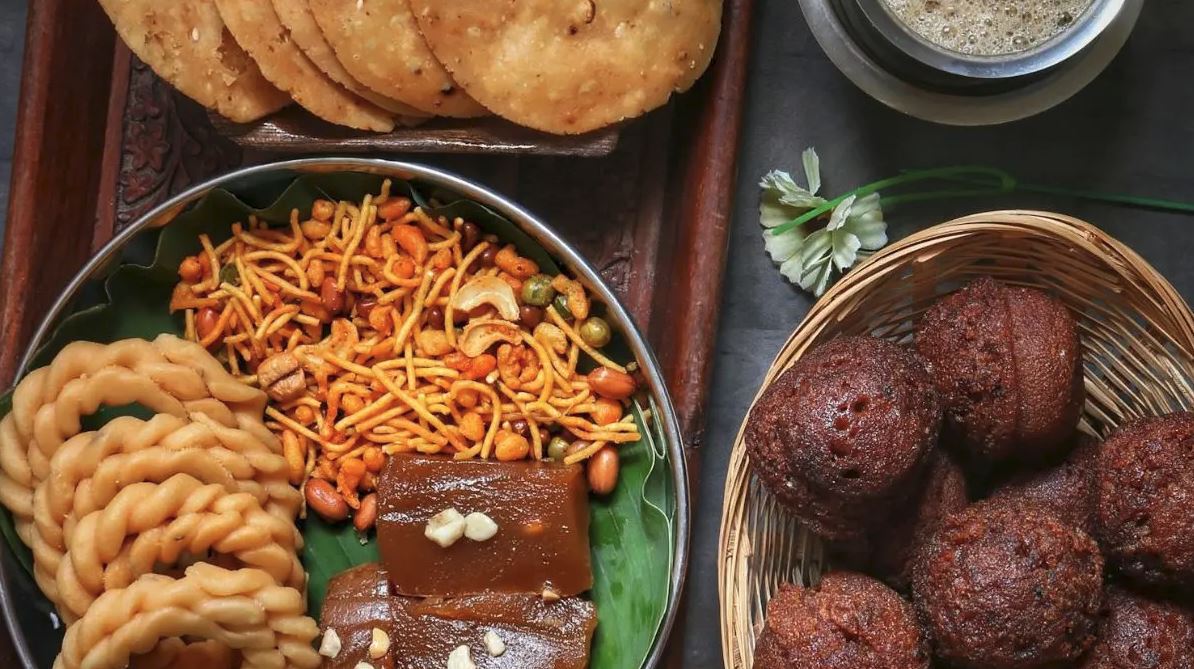
Small bites carry the flavor of place and turn sidewalks into tasting rooms
Why Tiny Bites Tell Big Stories
Regional snacks act like edible archives that preserve landscapes, climates, and family routines. They connect geography to appetite, translating soil and sea into textures that travel easily from hand to mouth. Every local treat, whether crisp, sticky, or smoky, reveals the ingenuity of a region and the rhythm of its people. Tasting them is like reading a short story that begins with the earth and ends in laughter beside a street cart.
Coastal Crunch And Salted Air
Shoreline towns thrive on freshness and preservation, creating snacks that balance salt and time. Fisherfolk dry anchovies until they snap between fingers, while prawn crackers puff in bubbling oil beside bamboo huts. Vendors near the docks sell cones of tiny fried fish or squid strips coated with tamarind glaze. The flavor of salt and sun lingers long after the last bite, reminding travelers that the sea writes its recipes directly into the wind.
Mountain Heat In A Pocket
Highland kitchens build warmth into everything. Cornmeal patties cooked on stone griddles, steamed dumplings filled with herbs, and sweet potato crisps wrapped in banana leaves fill pockets with energy for long climbs. Each snack hums with the comfort of firewood and altitude. Even tea in these regions tastes like soil and smoke, served beside a platter of roasted nuts that feel as ancient as the hills themselves.
Desert Sweets That Favor Shade
In the dry expanse of deserts, where shade becomes currency, locals turn scarcity into delight. Palm sugar brittle, sesame bars, and date rolls draw their strength from sun-soaked ingredients. These snacks resist the heat but release their sweetness slowly. Often, sellers pour mint tea nearby, and the air hums with cinnamon and citrus. The experience becomes less about indulgence and more about balance, where every grain of sugar feels like water to the tongue.
River Towns And Fermented Brightness
Along wide rivers, fermentation becomes art. The air itself encourages sour and sharp flavors. Vendors sell pickled green mango, fried fish wrapped in leaves, and rice cakes softened by palm vinegar. People eat standing near the water, the breeze carrying both aroma and laughter. These snacks remind eaters that freshness and decay are partners, and that tang can refresh more than sweetness ever could.
Markets That Travel In Backpacks
In bus stations and railway hubs, snacks become survival companions. Sticky rice packets tied with reed strings, roasted chickpeas seasoned with lime, and hand-rolled biscuits pass easily from vendor to traveler. Every bite has a story of motion. These foods make no demand for tables or utensils, thriving in the liminal space between departure and arrival. They belong to everyone who carries hunger as luggage.
Festivals And Sticky Fingers
When lights glow across plazas and drums fill the air, snack stalls bloom like flowers after rain. Coconut sweets glisten under bulbs, syrupy fritters sizzle in iron pans, and fruit candies catch reflections of fireworks. Children queue with coins clenched tight, and adults rediscover nostalgia with every sugary crunch. The noise of festivals blends with the hiss of oil and the chatter of crowds, proving that food can make sound just as vivid as music.
Snacks Born From Leftovers
Across regions, some of the best bites emerge from thrift. Leftover rice transforms into crisp fritters, stale bread becomes a savory pudding, and vegetable scraps turn into chutney. These dishes carry the humility of resourcefulness. Vendors celebrate the ordinary by showing that flavor requires care, not extravagance. What might have been discarded becomes a daily miracle wrapped in parchment or tucked into palm leaves.
Spice Routes On A Skewer
Every skewer tells a story about trade. Centuries of exchange carried cinnamon, clove, cumin, and pepper to every port and mountain path. Today, you can taste that journey in street-side grills where meats and vegetables shimmer with caramelized glazes. The aroma calls out across lanes, mixing with diesel, rain, and laughter. Each stick of roasted flavor is a reminder that commerce once began with curiosity about taste.
Local Grains With Street Style
Grains anchor a culture’s snack identity. In one city, roasted corn dusted with chili salt reigns supreme. In another, puffed rice tossed with mustard oil and onions defines quick comfort. Millet appears as crisp cakes in dry climates, while wheat turns into flaky rolls in cooler towns. Grain by grain, these humble seeds mirror local soil, teaching travelers that agriculture and appetite are inseparable companions.
Citrus As A Street Secret
When fried snacks grow rich, vendors keep a secret weapon ready: citrus. Lemon wedges, green limes, or tiny calamansi fruits balance grease with brightness. A quick squeeze cuts through the heat, making heavy food light again. That small motion—a hand twisting over a paper cone—reveals the universal truth of refreshment. Acid restores patience, appetite, and rhythm to the body.
Smoke As A Signature
Some stalls speak through scent before sight. The first puff of charcoal, the sweetness of caramelized sugar, or the whiff of roasted corn husk becomes an introduction. Vendors who master fire gain loyal crowds. Smoke clings to clothes and memory, linking a neighborhood to its flavor. In these places, even the wind smells like lunch, and the air writes menus more clearly than chalk ever could.
Pickles That Travel Well
Regional pickles bridge distances. They pack sharpness and life into small jars that survive weeks on the road. In some towns, you find chili pickled in oil that glows amber. In others, mango slices bathe in vinegar so rich it hums on the tongue. These accompaniments often outlive the meal itself, joining every lunchbox and proving that preservation can be both art and memory.
Herbs That Rewrite Familiar Flavors
Many local cooks use herbs as punctuation, changing the sentence of flavor. A sprinkle of mint in yogurt cools a heavy stew, while basil oil drizzled over fried dough creates contrast that keeps mouths awake. Parsley, cilantro, lemongrass, and dill each carry accents of geography. They remind eaters that greenery can hold its own beside spice and salt, painting landscapes inside every bite.
Street Drinks That Join The Story
Snacks rarely travel alone. Alongside them stand drinks that steady the tongue. Sugarcane juice tames chili powder, barley tea complements sesame candy, and salted lemon water revives fried batter. Sellers pour from jugs into recycled glasses, and the pairing feels instinctive. Each drink echoes its city’s mood, slow or sharp, earthy or floral, always chosen to escort the snack safely home.
Cold Climates And Handheld Warmth
In cities where frost paints the windows, people hold their food for heat as much as flavor. Potato patties sear fingertips, roasted nuts rattle in paper cones, and buns release curls of steam when torn apart. The streets smell of butter and spice. Vendors greet customers with a nod that carries both hospitality and survival, for warmth shared between strangers becomes its own kind of feast.
Rainy Regions And The Song Of Steam
When rain taps rooftops, steam rises to meet it. Stalls fill with bamboo baskets of dumplings, sticky rice parcels, and soft buns. The hiss of boiling water becomes a chorus that soothes the wet evening. Umbrellas drip quietly beside tables, and diners inhale clouds of ginger and scallion before the first bite. Moist air becomes part of the meal, binding taste and weather into harmony.
Crunch As A Local Language
Every culture has its own definition of crisp. Some chase the dry snap of roasted grains, others prefer the shattering thinness of deep-fried dough. Texture translates across tongues faster than words. Vendors test oil temperature with practiced eyes, knowing the exact sound of readiness. When that first bite sings between teeth, the crowd understands without needing translation.
Evening Fairs And Friendly Rivalries
As dusk arrives, stalls compete for attention. One claims the best peanut clusters, another swears by chili roasted corn. Loud banter floats above the smoke. Competition keeps recipes sharp and pride alive. Customers benefit most, tasting variation born from playful rivalry. The air hums with good-natured debate, proof that loyalty and curiosity can coexist on the same plate.
Packaging As Everyday Art
Paper cones, leaf wraps, woven baskets, and glass jars reflect regional identity as much as recipes do. Eco-friendly designs grow from necessity rather than fashion. A banana leaf folded into a triangle holds heat perfectly, while dried palm covers resist leaks. These humble containers celebrate the wisdom of reuse. Each one carries not only food but also the maker’s respect for their surroundings.
How To Taste A Place
Start with curiosity, not appetite. Visit small towns during market hours, ask sellers about their ingredients, and buy one thing you cannot name. Eat slowly, paying attention to temperature, crunch, and aftertaste. Note how people around you eat the same thing differently. Understanding regional snacks means learning humility, because flavor always reveals more than it hides.
What Regional Snacks Teach Travelers
They teach patience, because you must wait for seasons and festivals. They teach observation, because the smallest stand may hold the biggest surprise. They teach connection, because every seller carries a story about survival and celebration. These lessons feed more than hunger. They remind us that the simplest foods often carry the deepest roots, invisible but strong beneath the surface of daily life.
The Memory That Follows The Crumb
Long after a journey ends, the smallest snack lingers. A whiff of spice at home calls back a street corner under lanterns. The crunch of rice brings back the sound of a busy train station. Food maps the world into taste and touch. Regional snacks, in their quiet way, become markers of belonging, showing that no place is ever truly foreign once it has left a flavor on your tongue.