

Palates Without Borders
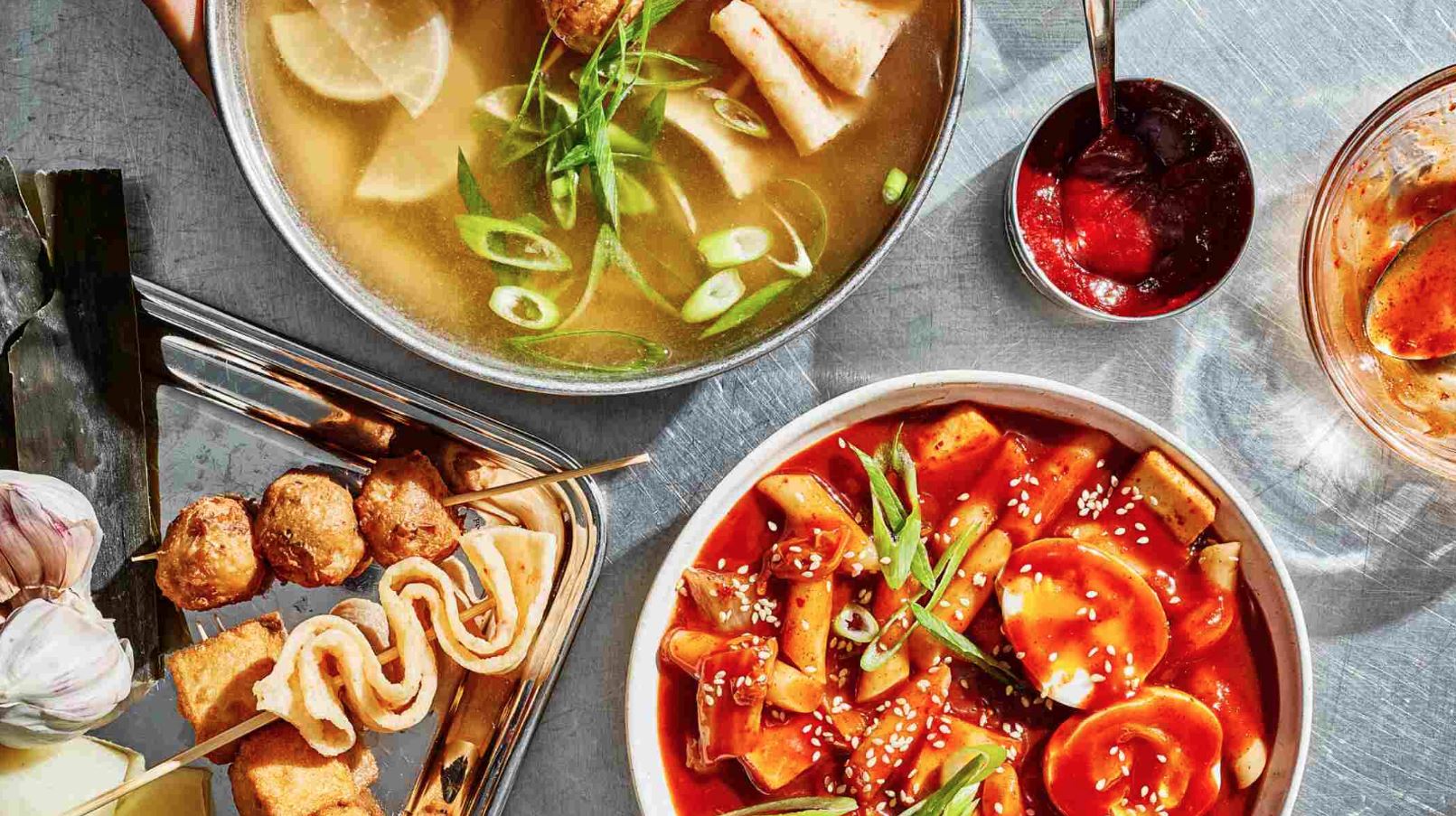
The evolving tastes turn cities into kitchens where the world meets for dinner
The New Geography Of Taste
Across continents, flavor has become its own traveler. Cities that once defined themselves through familiar dishes now hum with influences from oceans away. A café in Nairobi sells Korean fried chicken beside local stews, while a market in Berlin glows with Vietnamese herbs that arrived by boat decades ago. The geography of taste has shifted from maps to mouths, creating an exchange that moves faster than trade routes ever could. What used to belong to borders now belongs to curiosity. The result is a generation that measures identity not only through language but through spice, smoke, and sauce.
Fusion That Feels Natural
Earlier decades treated culinary fusion like novelty, but modern diners crave cohesion. Instead of clashing contrasts, chefs now weave harmony between old and new. Japanese seasoning finds comfort in Mexican tacos through miso marinades, while Mediterranean salads meet Southeast Asian lime leaves in quiet partnership. The point is not shock but connection. Vendors and home cooks alike find that people trust sincerity more than spectacle. A well balanced dish that tells a story tastes more honest than one that shouts for attention. The most successful combinations grow from shared respect between ingredients that once belonged to strangers.
The Quiet Rise Of Fermentation
Fermentation has reentered mainstream taste, reshaping everything from street snacks to upscale menus. Once considered a niche craft, it now defines flavor trends from Los Angeles to Lagos. Pickled mangoes, sour rice batters, and fermented chilies create layers that outlast fleeting trends. What attracts modern palates is depth, the kind that comes from patience rather than perfection. Sellers at night markets often rely on small jars of aged condiments that lend character to a simple skewer or dumpling. The movement celebrates microbes as silent collaborators, proving that controlled decay can build life into flavor.
Spice As Identity
The world’s spice cabinet has never been more democratic. Markets once dominated by mild comfort now embrace chili, turmeric, cardamom, and cumin with confidence. Heat no longer defines danger but adventure. The modern eater seeks complexity rather than punishment, asking for warmth that lingers rather than burns. Street vendors balance fire with fruit, tossing habaneros with pineapple or tamarind until balance appears. This approach turns spice from challenge into invitation. Each blend tells its own migration story, tracing the route of seeds and sailors who made the world taste connected long before the internet did.
Plant Power Beyond the Plate
Plant based eating has evolved from diet to design. Instead of imitating meat, new vendors celebrate vegetables for what they already are. Charred cauliflower replaces steak not through mimicry but through texture. Mushrooms marinated in soy and vinegar become midnight snacks that carry umami without guilt. Even traditional meat eaters find comfort in the vibrancy of this movement. Farmers collaborate with chefs to grow ingredients chosen for flavor, not volume. The field and the kitchen speak directly, creating dishes that feel alive because they were designed with care rather than replacement in mind.
Sweetness Learns Subtlety
Sugar has stepped aside to make room for gentler kinds of sweetness. Palm syrup, jaggery, coconut nectar, and fruit reductions have replaced heavy frostings in modern stalls. Desserts now whisper instead of shout. A small pastry brushed with honey and salt captures more emotion than a tower of cream. This minimalism stems from respect for balance. Global influence also adds depth, as Japanese mochi meets Italian gelato in quiet harmony, or Turkish delight appears in frozen yogurt shops under new names. The message behind the trend is restraint, not denial, teaching that sweetness can comfort without conquering.
Comfort Food Goes Nomadic
Comfort food once meant nostalgia tied to a single place. Today it travels freely. Dumplings, noodles, and rice bowls shift form and meaning depending on who holds the spoon. A bowl of congee in Toronto comforts just as much as mac and cheese in Seoul. The essence of comfort lies not in origin but in memory and warmth. Street vendors respond by combining familiar shapes with unfamiliar flavors, allowing customers to recognize safety while tasting surprise. Food becomes both home and journey, a paradox that perfectly fits the global rhythm of modern life.
Minimalism In Presentation
The age of towering plates and complicated garnishes has given way to clarity. Street stalls now favor neat servings, letting texture and aroma tell the story. Small bowls of broth glow under a single garnish, and open sandwiches display ingredients like handwriting. This aesthetic reflects broader cultural changes toward transparency and mindfulness. Diners want to see their food’s truth, not its disguise. The best presentations feel accidental but deliberate, a reflection of confidence earned through simplicity. It is design guided by flavor rather than ego.
Regional Ingredients Crossing Oceans
Rare herbs and condiments once confined to small towns now travel farther than their creators imagined. Calabrian chilies appear in ramen shops, Peruvian aji amarillo shows up in taco stands, and African grains like fonio rise from obscurity to fame. Online communities and migration patterns have shortened the distance between producer and consumer. A seller in Bangkok can now ship pickled tamarind to a deli in Montreal within days. As a result, authenticity expands instead of shrinking. Food heritage becomes a network rather than a boundary, each region lending texture to another’s story.
The Return Of Smoke And Char
Charcoal and open flame cooking have redefined flavor authenticity. Global palates crave the primal taste of smoke that links modern eaters to ancient methods. Portable grills at festivals and markets reproduce the nostalgia of campfires while introducing local twists. Charred lemon replaces vinegar in sauces, smoked salt replaces soy, and the scent of flame fills city alleys. These techniques remind diners that complexity does not always come from precision. Sometimes it comes from imperfection, from surfaces kissed unevenly by heat and turned into art through attention rather than symmetry.
Technology’s Invisible Hand
While flavor still depends on instinct, technology shapes how people find and share it. Algorithms predict cravings, delivery apps map regional demand, and online videos teach new generations to fold dough from countries they have never visited. Yet the most intriguing innovation lies in preservation. Solar dehydrators and fermentation monitors let small scale cooks compete with large operations while maintaining authenticity. Global flavor trends evolve not just through creativity but through tools that make that creativity possible for everyone with a connection and a kitchen, however small.
Zero Waste As A Flavor Philosophy
Conservation now defines taste as much as seasoning. Vendors transform vegetable stems into sauces, coffee grounds into rubs, and citrus peel into candy. Customers reward sustainability with loyalty, proving that ethics can enhance appetite. Waste reduction does not feel like restraint; it feels like cleverness. Each reused ingredient tells a story about survival and innovation. The modern diner seeks nourishment that aligns with conscience, turning flavor into a statement about belonging to a planet worth protecting.
Cross Cultural Breakfasts
Mornings have become the most experimental part of the day. Cafes blend influences freely: French croissants filled with Thai custard, South Indian dosas paired with avocado mash, and Turkish eggs sprinkled with Japanese togarashi. Breakfast once obeyed national tradition, but now it celebrates openness. This shift mirrors changing work patterns, where late risers and remote workers redefine the timeline of hunger. The first meal becomes an opportunity to mix worlds gently before the day begins.
Flavor Memory And Migration
Behind every global food movement are stories of migration. Families carry recipes across borders and adjust them to new soils. The flavors adapt, but the emotion stays constant. These small evolutions shape entire trends. What begins as necessity becomes identity, and over time, nostalgia creates innovation. Street vendors often lead this evolution, translating memory into meals that fit local palates while preserving ancestral spirit. In this way, every market becomes a museum of living taste, curated daily through survival and creativity.
Color And Mood In Modern Cuisine
Color has taken center stage in defining global appeal. Beetroot powder, butterfly pea flower, and matcha turn everyday snacks into edible art. Yet this fascination runs deeper than aesthetics. People eat color because they crave optimism. In uncertain times, vibrancy brings calm. The rainbow smoothie bowl or the neon drink stand may look playful, but it reflects a shared desire for positivity. Food has become both therapy and spectacle, allowing emotion to sit beside nutrition without conflict.
Street Food As Cultural Ambassador
In many cities, street vendors shape global perception more effectively than embassies. A plate of noodles or fried plantains speaks more directly than any tourism campaign. Travelers remember the smell of spice smoke more vividly than monuments. As international borders tighten, flavor remains one of the few passports that never expires. Global flavor trends owe much to these humble ambassadors who carry history in ladles and kindness in price tags. Their craft turns politics invisible and friendship edible.
The Resurgence Of Local Pride
Amid global fusion, a counter movement has grown: rediscovery of the native palate. Younger cooks return to forgotten grains, ancestral herbs, and indigenous preparation styles. They pair them with new techniques learned abroad, forming hybrids that honor both past and future. This movement is not nostalgic but confident. It says that local does not mean small and that heritage can evolve without losing integrity. Through this lens, flavor becomes a dialogue between generations rather than a relic preserved in glass.
Drinks That Tell Time And Place
From cold brew cascara to turmeric lattes, beverages have become maps of migration. Bartenders use regional spices, local fruit, and ancestral methods to tell stories in liquid form. Kombucha makers in Africa add hibiscus, while soda artisans in Europe use yuzu and tamarind. These drinks serve as cultural translators, easier to share than language and faster to spread than tradition. They capture the present moment while hinting at where taste will wander next.
The Language Of Texture
Beyond flavor, texture defines modern preference. Chewy, crisp, fluffy, and gelatinous have become universal words. Dishes once dismissed as unusual gain followers for their tactile pleasure. Bubble tea pearls, rice cakes, and mochi balls have turned texture into trend, especially among younger eaters who value playfulness in food. Chefs now design bites for contrast rather than cohesion, proving that surprise can feel as satisfying as comfort.
The Future On The Tongue
Artificial intelligence may predict recipes, but the human palate will always lead. Global flavor trends show that people chase meaning as much as novelty. The world’s next big taste will likely rise from small corners where tradition meets experimentation, carried not by marketing but by memory. Whether it appears as a sauce, a spice blend, or a snack at a street corner, it will tell the same story: that flavor remains the language everyone speaks fluently, even when the words keep changing.
Where The World Meets To Eat
The landscape of global taste stretches wider every year, yet its essence stays intimate. At its heart, flavor connects people more than distance separates them. Street carts, cafés, and home kitchens continue to build bridges without blueprints. Every bite that crosses a border proves that culture thrives best when shared. The future of food will not belong to any single nation but to the shared table where the world gathers, one spoon at a time.