

Engines Idle While Flavors Roam
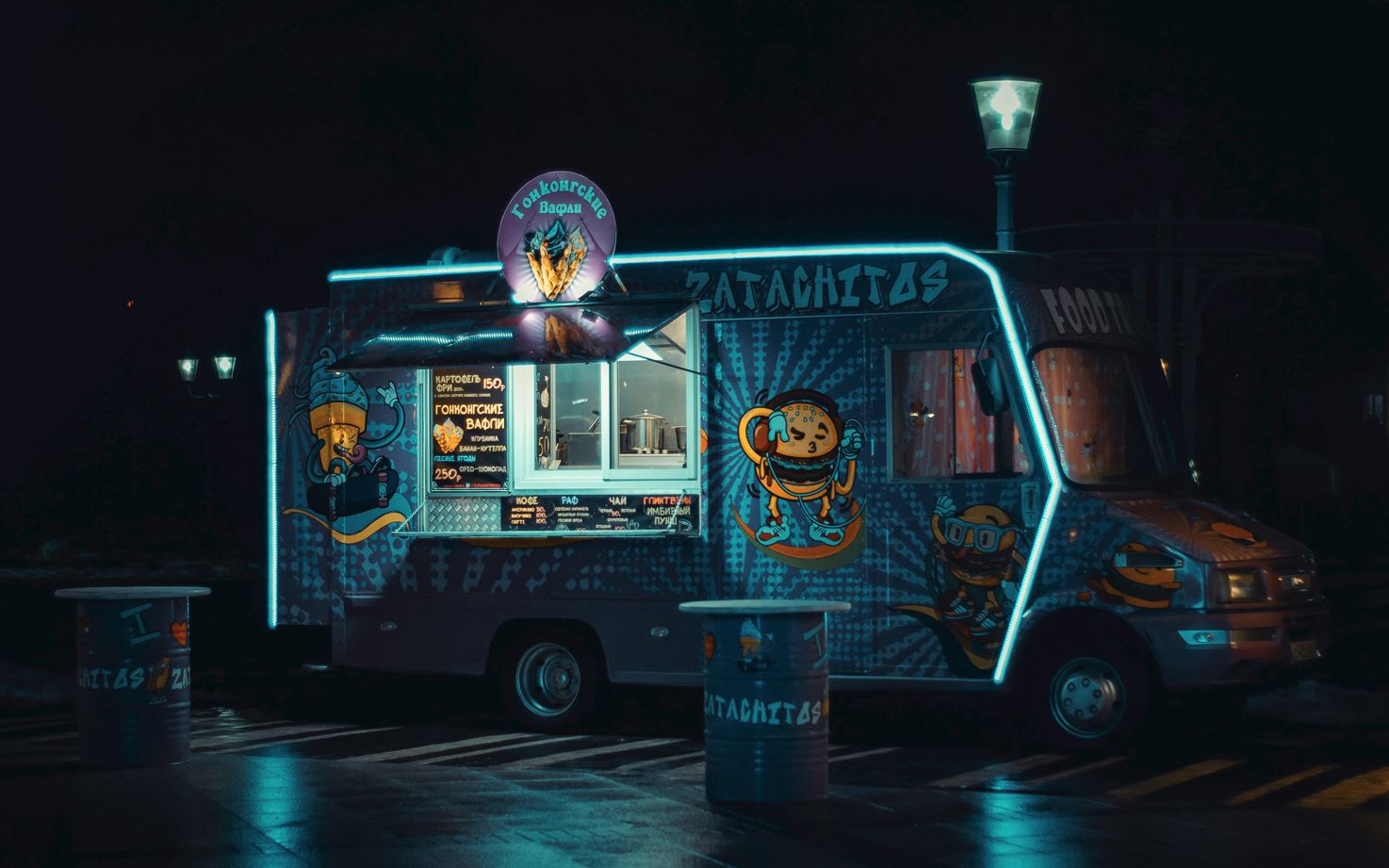
A moving feast that builds neighborhoods one curb at a time
Wheels That Carry Stories
Food trucks travel like storytellers, crossing avenues and alleys with grills that glow and menus that change with the light. Every stop introduces new faces, fresh conversations, and recipes shaped by memory. A truck can bring the scent of cumin to a quiet block or the sweetness of condensed milk to a late night line. The vehicle becomes a roaming kitchen and a tiny theater. Customers gather close to the window, while the cook moves quickly in a narrow space that holds more ingenuity than any large dining room. What seems small from the sidewalk often contains a full universe of practice, timing, and heat.
From Curb to Community
When a truck arrives, the street begins to behave differently. People pause. Music from a speaker softens the pace of walkers. Neighbors who have never spoken before start talking about sauce and smoke. A queue creates a temporary neighborhood that exists for the length of lunch, then dissolves with satisfied smiles. This gathering does not require a reservation, only a willingness to share space. City planners describe placemaking as a strategy. Food truck operators do it as a habit. They shape public life by showing up, serving, and learning the rhythm of each corner.
The Blueprint Inside a Tiny Kitchen
Every square inch inside a truck matters. Refrigeration sits beside the prep shelf, and the fryer has a partner that catches crumbs before they travel. Tools hang on magnetic rails, while spice tins stack like puzzle pieces. Efficiency becomes a language. Movements fold into one another, and a single pivot can deliver a full plate. On busy nights the interior feels like a dance that never bumps, even as the ticket rail fills with orders. The scale remains small, yet the production can rival a mid sized restaurant because repetition trains both memory and muscle.
The Menu As a Map
A chalkboard near the window serves as a compass. It points to family roots, regional cravings, and travels that left flavors behind. One cook builds a lineage of stews, another folds the sea into batter, and a third braises vegetables until they almost tell jokes with their sweetness. Prices stay friendly, and descriptions avoid mystery for the sake of clarity. A good truck explains the dish without theatrics, then lets the first bite do the convincing. Regulars often become translators for newcomers, and the line itself becomes an archive of tips and favorite combinations.
Licenses, Routes, and the Art of Compliance
Behind the sizzle there is paperwork and patience. Permits must be secured, inspections must be passed, and city calendars must be studied. Operators learn where generators can run, when street cleaning interrupts service, and which lots welcome evening crowds. Successful routes grow from careful observation. Office parks want early service, markets prefer weekends, and music venues favor late nights. A route is a living document that adapts to weather, festivals, and school schedules. This work can feel invisible, yet it protects the entire experience because predictability builds trust.
Economics of the Curbside Plate
Food trucks must balance cost with creativity. Fuel, commissary rent, ingredients, and staff wages all add weight to the ledger. Margins respond to tiny decisions, like the size of a bun or the number of pickles tucked under a lid. Smart operators maintain a core menu that travels well, then rotate specials that use seasonal produce. Waste becomes the enemy, so trimmings find new life in soups and sauces. A steady queue does more than pay bills. It keeps ingredients moving, which preserves freshness and protects flavor.
Flavor Without a Suit
The charm of truck dining comes from comfort. Guests order in sneakers, speak without ceremony, and eat standing at a high table or sitting on a low curb. A napkin doubles as a map of the meal, and the final bite can happen under a tree or beside a bike rack. Nothing about the scene requires formality. Even so, the craftsmanship remains serious. Long marinades, precise spice blends, and careful fry temperatures hide behind a friendly greeting. Casual mood does not mean casual technique. It means the technique chooses warmth over spectacle.
Design That Moves People to Move Closer
Color and typography play real roles in truck success. A bright panel can anchor a parking lot like a beacon. A clear logo sticks in memory after the taste fades. Lighting turns a simple service window into a stage once the sun goes down. The scent trail pulls attention, then branding completes the invitation. Operators often evolve their look as the truck matures, swapping decals, adjusting menu boards, and refining uniforms that can survive steam and smoke. Design works best when it feels honest to the food, not forced by trend.
Social Media as a Streetlight
Because locations shift, communication becomes a daily ritual. Operators post schedules, tease specials, and share photos that carry aroma for the eyes. Customers respond by tagging friends and building weekend plans around a cluster of trucks. A single post can transform a quiet afternoon into a lively gathering. Feedback arrives in real time, and menu tweaks can roll out the next day. The conversation keeps the truck visible between stops. In many cities, the lunch decision begins online, then follows the path of shared stories to a parking lot lined with happy noise.
Collaboration at the Lot
Few scenes match the energy of a truck rally. One vendor offers smoky ribs, another presents dumplings, and a third serves shaved ice that melts into laughter. Live music or a small craft market often joins the party. The mix allows families and groups to please every palate without splitting up. Operators benefit from shared crowds, while guests enjoy a banquet that no single kitchen could provide. Collaboration turns competition into cross pollination, where one great sandwich makes a stranger curious about a neighboring taco.
Ingredient Paths and Local Ties
Many trucks source from nearby farms, bakeries, and fisheries. Short supply lines keep flavors bright and reassure customers who ask about origin. When a storm disrupts harvests, the menu responds with honest notes and creative swaps. A bun might change to a roll, or a slaw might switch greens. This flexibility protects both partners and plates. Over time, trucks become reliable buyers for small producers, while producers become storytellers for the truck. The relationship tastes like freshness, and it reads like mutual respect.
Health, Safety, and Confidence at the Window
Clean service is a quiet promise. Gloves fit well, thermometers stay accurate, and sanitizer lives within reach. Clear separation between raw and ready items prevents mishaps in tight quarters. Training covers more than recipes. Staff learn how to handle lines with care, how to guide guests with allergies, and how to manage peak bursts without losing the smile. Confidence spreads from these details. People return when they trust the hands that prepare their food.
Access, Equity, and the First Step Into Ownership
For many cooks, a truck serves as a doorway to entrepreneurship. The investment remains significant, yet it often sits lower than a full restaurant build. Ideas can be tested in real conditions, and menus can shift based on response. Operators from underrepresented backgrounds have used trucks to bypass barriers that once felt insurmountable. Community groups and incubators now assist with training, microloans, and commissary access. The result is a wider range of flavors on the street, which strengthens the entire food scene.
Weather, Traffic, and the Art of the Pivot
Rain changes everything. Heat demands shade and cold invites soups that travel well. Construction can cut a route in half, while a parade can add four blocks of hungry guests. Resilience becomes a daily skill. Operators maintain backup spots, alternate menus, and contingency fuel plans. Staff learn to turn stress into focus, and regulars appreciate the honesty that comes with updates. The street teaches patience, and patience rewards the ones who adapt without losing heart.
Music, Scent, and the Choreography of a Line
A good queue never feels like a burden. Speakers keep the mood light. Aromas drift at a pace that matches the movement of the line. Staff greet the next guest while handing a plate to the last. This flow transforms waiting into anticipation. The moment of pickup becomes a little celebration where names are called, lids lift, and steam writes short poems in the evening air. People remember how they felt as much as what they ate, which turns a simple purchase into a story told later at home.
Festivals That Turn Streets Into Dining Rooms
City festivals often treat trucks as anchors. Organizers map vendor placement with the same care used for stages and rest areas. Balanced offerings matter. Savory and sweet share space. Vegetarian options join grilled classics. Water stations sit nearby. Waste sorting gets clear labels. The result is a moveable dining room that adjusts to the crowd. When the event ends, the block carries a memory that lingers. People return to that street later, still tasting the moment of music and sauce.
Education on the Sidewalk
Many operators teach as they cook. They explain the origin of a spice, the tradition behind a dumpling fold, or the way a sauce reduces to silk. Kids listen with wide eyes, then ask brave questions. This casual learning setting lowers barriers that classrooms sometimes raise. Cultural understanding grows from shared bites and friendly explanations. In this way, trucks serve more than meals. They serve context, and context builds respect.
Measuring Success Beyond Sales
Revenue keeps the wheels turning, yet many owners track other forms of value. A handwritten thank you note taped inside the cabin means as much as a strong Saturday. A local artist painting the truck turns a kitchen into a landmark. A charity night that funds uniforms for a school team adds purpose to the calendar. These markers do not appear on a spreadsheet, but they shape reputation and deepen loyalty. A truck that nourishes both appetite and place becomes part of the civic fabric.
From Truck to Brick and Mortar Without Losing Soul
Some teams eventually open a permanent location. The goal is to keep the energy that made the truck beloved while expanding capacity and comfort. Menus often keep the signature items that built the first fan base, then add plates that benefit from larger prep areas. Service style adapts without stiffening. The truck continues to roam as a scout, testing specials and meeting new guests. The two formats feed one another, and the brand grows without forgetting the curb where it began.
Sustainability That Fits in a Glove Box
Small kitchens can lead big change. Compostable packaging reduces landfill pressure. Refill stations for sauces cut plastic use. Route planning saves fuel. Partnerships with recycling teams teach best practices. Even tiny shifts add up when repeated day after day. Guests notice, then they adjust their habits as well. The truck becomes a gentle prompt that reminds people to care for the street that feeds them.
How to Read a Truck Like a Local
Regulars know the signs. A short menu usually means focus. A line that moves steadily usually signals strong systems. A cook who looks up to greet each guest usually values repeat visits. If the fries stay crisp after a short walk, the team understands texture. If the garnish looks cared for, the back prep likely runs clean. Reading these clues turns a first visit into an informed choice. The skill spreads through word of mouth, and the crowd that follows knows what it is doing.
Parents, Kids, and the Joy of Eating Outside
Families thrive at truck gatherings because freedom lives in open air. Children explore without whisper rules, while parents enjoy a meal that feels both lively and easy. High tables keep sauces off small hands, and shared seating encourages friendly chats. Kid sized portions let young diners participate without waste. The result is a stress light outing that turns an ordinary evening into a small celebration. Memories stack quickly in these settings because the senses stay awake.
Late Night Hospitality on Four Tires
After concerts, games, or long shifts, a bright window feels like a rescue. Night menus favor foods that travel well and satisfy quickly. Noodles that curl around chopsticks. Tacos that balance brightness and fat. Sweet crepes that fold into warm pockets. The crew works with sharp focus because lines swell fast. Safety and lighting receive extra care. The street becomes a quiet stage where gratitude sounds like laughter that echoes between buildings.
What a City Tastes Like
To understand a city, follow its trucks for a week. Start at a courthouse square on Monday, then move to a campus lawn on Tuesday. Visit a warehouse district on Wednesday, then a riverside park on Thursday. End with a night market on Friday. The journey reveals the range of workers, students, artists, and families who share the same appetite for good food and easy company. Trucks knit these groups together with spices, smoke, and cheerful windows. Through them, the city tastes like possibility.
Why a Meal on the Move Still Feels Like Home
Food trucks prove that welcome does not need walls. A kind voice from a window, a plate made with care, and a spot to stand under the open sky can satisfy the deeper hunger for connection. Wheels turn, routes change, seasons shift, yet the feeling remains steady. People arrive hungry, then leave with more than calories. They carry a little warmth in the pocket of memory, and they look for the truck again, not only for flavor, but for the comfort of belonging in a place that smiles back.